Contact Us
Best Fabrics to Wear during the Rainy Season for All-Day Comfort
Rainy weather asks more from clothing than a dry day does. A garment has to deal with humidity, sweat, damp seats, sudden splashes and limited drying time. Thick cloth can become tiring very quickly, while a fabric that felt soft in the shop may cling once the air turns muggy.
The better choice is usually light, breathable and uncomplicated to wash. Fibre matters, but so do weave, thickness and the way the garment has been finished.
Cotton Blends
Cotton feels familiar on the skin, which is why many people continue wearing it through the monsoon. The difficulty begins when the fabric is dense. It absorbs moisture easily and may remain damp long after a brief shower or humid commute.
A lighter cotton blend handles these conditions better. Among commonly used monsoon fabrics, it offers a comfortable middle ground: softer than many synthetics, yet easier to dry than heavy pure cotton. The blend should feel airy rather than tightly packed or coated.
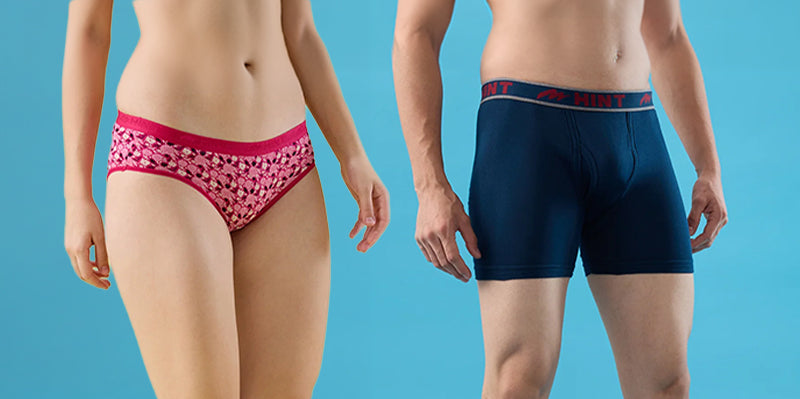
This balance of softness and breathability can make cotton blends a practical choice for women’s innerwear during humid weather. Check the inside as well, since rough seams, thick neckbands and bulky waistbands may cause discomfort even when the main fabric feels light.
Lightweight Polyester and Nylon
Quick drying is the main reason polyester and nylon are useful during wet weather. Neither should be chosen only by name, though. A heavy synthetic can trap heat and feel just as uncomfortable as damp cotton.
A thin polyester with a soft finish can serve as a practical rainy season fabric. It keeps its shape, dries without much sunlight and usually needs little ironing. Look for cloth that bends easily and does not feel stiff against the skin.
Nylon works particularly well in light outer layers because it does not take on much water. For that purpose, it may be the best fabric for rainy season conditions. It should still have some ventilation. A tightly sealed garment may keep rain out but hold body heat inside.
Between the two, comfort comes down to construction. Loose cuts, breathable panels and smooth linings make a greater difference than a glossy finish or a heavier weave.
Modal, Jersey And Microfibre
Clothing worn close to the body needs a different kind of comfort. Softness, stretch and moisture handling matter more here than a crisp appearance.
Modal has a smooth feel and drapes without becoming rigid. Lightweight jersey moves easily and can be a dependable fabric for rainy season use when the knit is not thick. Microfibre dries quickly and sits neatly under clothing, although a very tight weave may feel warm after several hours.
For inner wear for men, choose cloth that stays soft after repeated washing and does not have a heavy elastic band. The same applies to women’s innerwear, where flat seams and a breathable finish can make humid days easier.
These fabrics are not identical, but they share one advantage: they can provide comfort without adding a thick layer underneath the main outfit.
Linen Blends
Linen is often associated with hot weather because air moves through it easily. During the monsoon, however, pure linen can feel awkward when the weave is coarse or heavy. It may crease sharply and take longer to settle after washing.
A fine linen blend is more manageable. It becomes a fabric suitable for rainy-season clothing when the material is light enough to breathe and blended to improve softness or drying time. Cotton-linen blends retain an airy feel, while blends containing a quick-drying fibre may require less care.
When linen-blend clothing is worn over kid’s innerwear, choose a soft, lightweight weave so the overall outfit does not feel bulky in humid weather. Also check the fabric weight carefully, as dense linen can still feel warm once humidity rises.
Rayon Blends
Rayon has a fluid fall and often feels pleasant in loose clothing. Its weakness is that some varieties become delicate when wet, so care instructions matter.
A blend is usually easier to handle than pure rayon. As a fabric used in rainy season wardrobes, it works best when the garment has little lining and no heavy decoration. Extra gathering, layered panels and thick embroidery can hold water in folds and slow the drying process.
Rayon should not be twisted roughly after washing. Letting it dry according to the label helps the fabric keep its shape. If everyday care needs to stay simple, choose a blend that can tolerate regular washing.
Fabrics Better Kept for Drier Days
Heavy denim, dense cotton, wool-rich cloth and thick knits are harder to manage in persistent rain. They soak up moisture, gain weight and often take a long time to dry completely.
Garments with padded sections or multiple linings cause a similar problem.
Even when the surface feels dry, seams and inner folds may still be damp. That trapped moisture can make the next wear uncomfortable.
Colour and print do not change drying performance, so they should come after the fabric check. Dark shades may hide splashes more easily, but a heavy garment will still feel uncomfortable. Comfort begins with the material, not with how practical the surface appears.
Before buying, consider three straightforward points:
- Does the cloth feel heavy while dry?
- Can air pass through the weave?
- Will the garment dry fully without strong sunlight?
Those checks are often more useful than relying on a fabric label alone.
Final Thoughts
Comfort during the rainy season comes from fabrics that remain light, allow airflow and recover quickly after washing. Cotton blends, fine polyester, nylon, modal, jersey, microfibre, linen blends and carefully chosen rayon blends can all earn a place in a monsoon wardrobe.
The right option depends on where the garment sits, how long it will be worn and how easily it can be dried. A close look at weight, weave and seams usually reveals more than the fibre name.