Contact Us
Low-Rise vs High-Rise Underwear for Men: Which Fit Actually Works Better for You?
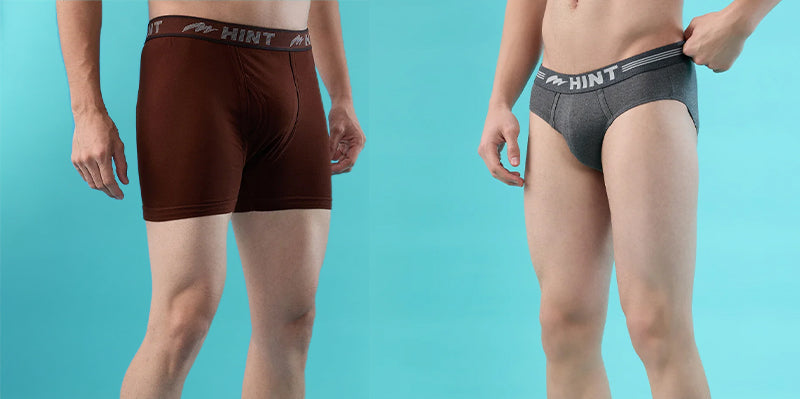
Choosing the right rise in men’s underwear can change how your entire outfit feels throughout the day. The waistband, coverage, support, and fabric placement all affect comfort, especially in India’s warm weather and long working hours. Many men focus only on size, but rise matters just as much. Good underwear for men should feel secure, breathable, and suited to the clothes worn over it.
In this blog, you will explore the difference between low-rise and high-rise underwear, compare their comfort and fit, and help you choose the right style for your body type and daily wear.
What Is Low-Rise Underwear?
Low-rise underwear for men fits below the natural waist, usually closer to the hips. It is designed for men who prefer a modern, minimal fit under jeans, chinos, gym shorts, or fitted trousers. Low-rise underwear for men often feels lighter and less bulky.
Key features of low-rise underwear:
- Fits lower on the hips, below the natural waistline.
- Works well under low waist jeans and slim trousers.
- Offers a modern, body-conscious look.
- Usually has a shorter waistband height.
- Common in men's low-rise briefs, trunks, and fashion-focused styles.
Pros of low-rise underwear:
- Low-rise briefs feel light and discreet under fitted clothing.
- They reduce visible waistband lines with modern outfits.
- The cut can suit men who dislike fabric around the stomach.
- Great for casual wear, gym styling, and warmer weather.
- Often gives a sharper, youthful appearance.
Cons of low-rise underwear:
- Low-rise underwear may not suit men who prefer fuller coverage.
- It can shift if the waistband or size is not right.
- Some men may find it less supportive during long sitting hours.
- It may roll down on broader waists.
- Fabric choice matters more in this fit.
What Is High-Rise Underwear?
High-rise underwear fits closer to the natural waist and offers more coverage around the lower abdomen. This style is commonly seen in briefs for men, especially for those who prefer a traditional, secure fit for daily comfort, office wear, travel, and relaxed dressing. It feels stable under regular trousers and looser bottoms.
Key features of high-rise underwear:
- Waistband fits higher on the body for added coverage.
- Offers a more secure feel around the waist.
- Pairs well with formal trousers and relaxed fits.
- Reduces the chance of slipping during movement.
- Often preferred by men who like classic brief styles.
Pros of high-rise underwear:
- Provides better coverage for daily use.
- Feels more secure during long office hours or travel.
- It can support men with broader waists comfortably.
- Works well beneath formal Indian workwear and regular trousers.
- Helps avoid constant waistband adjustment during the day.
Cons of high-rise underwear:
- May feel bulky under slim jeans or low waist trousers.
- Some men find the higher waistband too warm.
- It may not suit fashion-forward outfits.
- Poor fabric can feel restrictive around the stomach.
- It is less discreet under fitted casual clothing.
Low-Rise Vs High-Rise Underwear: Side-By-Side Comparison
A simple comparison makes the choice clearer, especially when comfort, waist placement, outfit type, and daily movement all matter most.
|
Fit Factor |
Low-Rise Underwear |
High-Rise Underwear |
|
Waist placement |
Fits below the waist, closer to the hips |
Fits near the natural waist |
|
Best outfit match |
Slim jeans, joggers, fitted trousers |
Formal trousers, relaxed pants, daily wear |
|
Coverage |
Lower coverage, lighter feel |
Higher coverage, a secure feeling |
|
Style appeal |
Modern and minimal |
Classic and practical |
|
Comfort focus |
Freedom and discretion |
Stability and support |
|
Best for |
Men who prefer sleek styling, including men's low-rise trunks |
Men who prefer fuller coverage and regular comfort |
Which Underwear Rise Works Best for Different Body Types?
Body shape plays a major role in choosing between low-rise and high-rise underwear. The right option should support your frame, fit comfortably under clothing, and avoid rolling, bunching, or digging into the skin.
Slim and Lean Body Types
Slim and lean men can usually carry low-rise underwear well because the waistband fits neatly on the hips without creating bulk. A lower cut can also complement fitted jeans and casual trousers.
- Low-rise styles offer a clean, sharp silhouette.
- Trunks for men can add a balanced shape without excess fabric.
- High-rise options may still work for formal dressing.
- Soft stretch fabric helps avoid looseness around the waist.
Athletic Builds
Athletic builds often need underwear that balances support with flexibility. Men with stronger thighs or a defined waist may prefer low-rise trunks or briefs for movement, especially under activewear.
- Low-rise trunks can support without covering too much.
- Stretch fabric is important around the thighs.
- High-rise briefs may feel better for office wear.
- A supportive pouch improves comfort during movement.
- Avoid overly tight waistbands that press into the skin.
Men with Broader Waists
Men with broader waists may find high-rise underwear more reliable because it fits closer to the natural waist and offers better coverage. A higher waistband can feel more stable while sitting, bending, and walking.
- High-rise cuts reduce frequent adjustment.
- Wide waistbands can improve comfort.
- Low-rise styles may roll if the fit is too tight.
- Breathable cotton blends are useful in humid weather.
- Choose support without harsh compression.
Tall Men
Tall men often need underwear that does not feel too short in coverage. High-rise styles may offer a more balanced fit, especially with formal trousers, but low-rise options can still work with casual outfits.
- High-rise underwear gives better vertical coverage.
- Low-rise fits suit casual jeans and relaxed weekend wear.
- Longer trunks may help prevent thigh chafing.
- A flexible waistband keeps the fit stable.
- Fabric recovery is important after washing.
Plus-Size Men
Plus-size men usually benefit from underwear that stays in place and supports the body without digging in. High-rise underwear often works better for all-day wear because it gives more coverage and reduces waistband rolling.
- High-rise briefs can feel secure under daily outfits.
- Soft, broad waistbands are more comfortable.
- Breathable fabric helps manage heat.
- Low-rise underwear may work for short casual wear.
- The best fit should support without squeezing.
Conclusion
Low-rise and high-rise underwear both work well, but they serve different needs. Low-rise styles suit men who prefer a sleek, modern fit under casual or fitted clothing. High-rise styles offer stronger coverage, stability, and comfort for everyday routines. The better choice depends on your body type, outfit, climate, and personal comfort. When the fit feels natural, your underwear quietly supports your whole day.