


 Contact Us
Why Your Shirts Show Sweat Patches (And Exactly How to Fix It This Summer)
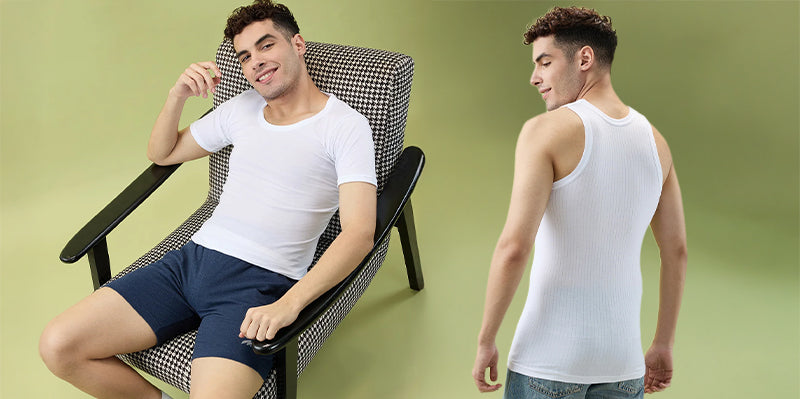
Sweat patches on shirts can turn a polished summer look into something uncomfortable within minutes. Indian heat, crowded commutes, humid offices, and long outdoor days make the problem even more common. The good news is that it is manageable. Once you understand why sweat marks appear and how clothing choices affect them, learning how to prevent sweat patches on shirts becomes much simpler.
This article explains why sweat patches happen and how smart summer clothing choices can help prevent them.
What Causes Sweat Patches on Shirts?
Sweat patches appear when moisture collects in fabric faster than it can dry. Heat, humidity, body movement, stress, and poor fabric breathability all make visible marks more likely.
Your Body’s Natural Cooling System
Sweating is your body's built-in cooling method. When your temperature rises, sweat glands release moisture that evaporates from the skin and helps you feel cooler. Problems begin when clothing traps that moisture instead of allowing airflow. This is where breathable shirts and vests for men can make a visible difference.
- Sweat itself is natural and healthy.
- Humid weather slows evaporation.
- Thick fabrics hold moisture near the skin.
- A sweat-absorbing vest can help protect your outer shirt.
Excessive Sweating Vs Normal Sweating
Normal sweating happens during hot weather, exercise, travel, or nervous moments. Excessive sweating feels heavier, more frequent, and harder to control, even when the temperature is not extreme. Understanding the difference helps you choose better daily clothing and know how to stop sweat patches without feeling self-conscious.
- Normal sweating usually settles once you cool down.
- Excessive sweating may soak through layers quickly.
- Breathable innerwear can reduce visible marks.
- Many shoppers compare men's summer vests before choosing daily basics.
Why Some Shirts Show Sweat Patches More Easily
Some shirts reveal moisture quickly because of the way their fabric, fit, colour, and weave react to sweat. A stylish shirt still needs practical summer comfort.
Fabric Type Matters
Fabric is often the biggest reason sweat patches become obvious. Dense, synthetic, or heavy materials can trap heat and moisture, especially around the underarms and back. Lighter, softer, breathable fabrics are better suited to Indian summers because they allow air to move more freely.
- Cotton feels comfortable but can hold moisture.
- Linen dries faster but wrinkles easily.
- Blended fabrics vary in breathability.
- Smooth outer shirts pair well with sleeveless vests for men
Shirt Colour Plays a Bigger Role than You Think
Colour changes how sweat patches appear. Light shades may show yellowing over time, while mid-tone colours often make damp areas look darker. Very dark colours hide marks better, but they may feel warmer in direct sunlight. Pairing shirts with breathable men's vests for summer can also help reduce visible sweat marks and keep your outfit looking cleaner for longer.
- White can show stains if not washed well.
- Grey often reveals dampness quickly.
- Navy, black, and deep prints hide marks better.
- Small checks and textured patterns are summer-friendly.
Tight-Fitting Shirts Trap More Moisture
A tight shirt fits close to the skin, so sweat transfers to the fabric almost immediately. It also reduces airflow, making you feel warmer for longer. A slightly relaxed fit helps sweat dry faster and keeps the shirt from clinging to the body.
- Avoid underarm seams that press tightly.
- Choose roomier cuts for humid days.
- Keep formal shirts fitted, not restrictive.
- Softer inner layers reduce rubbing and discomfort.
How to Prevent Sweat Patches This Summer
The best solution is not about stopping sweat completely. It is about helping your body stay cool while keeping moisture away from the shirt people can see.
Choose Breathable Fabrics
Start with the fabric closest to your skin and the shirt you wear over it. Breathable materials allow heat to escape and reduce the sticky feeling that builds during summer. For office wear, travel, and casual outings, choose fabrics that feel light without becoming transparent. A half sleeve vest for men can also add practical coverage under daily shirts.
- Look for airy cotton or cotton-rich blends.
- Avoid heavy synthetics during peak heat.
- Pick open weaves where the occasion allows.
- Check how the fabric feels indoors and outdoors.
Wear the Right Undershirt
An undershirt works like a buffer between sweat and your visible shirt. The key is choosing one that absorbs moisture without adding bulk. Choosing the right vest for summer can also help you stay fresh while keeping sweat patches away from your outer shirt.
- Choose a close fit that does not bunch.
- Avoid thick innerwear in humid weather.
- Match the neckline to your shirt style.
- Keep separate innerwear for work, travel, and workouts.
Pick Sweat-Friendly Colours and Patterns
Smart colour choices can save you from constant worry. For summer, avoid shades that instantly darken around sweat-prone areas. Prints, textures, and deeper colours are easier to wear when you have a long day outside or a packed commute.
- Choose navy, charcoal, olive, or deeper checks.
- Use subtle prints for casual Fridays and weekends.
- Keep pale shirts for shorter, cooler outings.
- Avoid plain grey when sweat visibility is a concern.
Use Antiperspirants Correctly
Many people apply antiperspirant just before leaving home, but it works better when given time to settle on clean, dry skin. Deodorant controls odour, while antiperspirant helps reduce wetness. Using the right product properly can make your shirts stay fresher for longer.
- Apply only on dry skin.
- Let it dry before dressing.
- Reapply after bathing if needed.
- Wash the underarm area of shirts gently but thoroughly.
Stay Cool throughout the Day
Small habits can reduce how much sweat reaches your shirt. Stay hydrated, avoid rushing in the afternoon heat, and choose shaded routes whenever possible. Carrying a light handkerchief or face towel can also help during travel, especially in crowded metros, buses, or market areas.
- Drink water before you feel thirsty.
- Choose lighter meals during hot afternoons.
- Take short cooling breaks when possible.
- Change innerwear after long outdoor exposure.
Conclusion
Sweat patches are common, especially during Indian summers, but they do not have to control your wardrobe. The right fabric, colour, fit, antiperspirant routine, and innerwear can keep you looking neat without sacrificing comfort. Build your summer outfits around breathability and smart layering, and your shirts will feel fresher, last longer, and help you move through the day with more confidence.






)